Fast fashion: a term used to describe a business model based on producing masses of clothes extremely quickly and at a ridiculously low cost. This blog post was written by Megan Cooper, a WTC student.


Fast fashion: a term used to describe a business model based on producing masses of clothes extremely quickly and at a ridiculously low cost. This blog post was written by Megan Cooper, a WTC student.

A while ago one of our students, Andy Hudson, submitted an essay on the value of friendship in the Christian life with specific reference to male friendships. Here he highlights the need for openness, honesty, love, and burden-bearing.

We often get asked in the WTC Theology classroom about the practice of using feminine pronouns and female imagery for God. Why do some people think it’s okay to use ‘she’ and ‘her’ for God when the Bible uses only masculine terms?

I don’t know much about the process of deception in general. I do know it’s easy to be deceived. I don’t recall ever feeling…

Petley’s superb White Fury gives voice to a view that British historians have tended to see slavery primarily in terms of its abolition.
The Holy Spirit is the one who ushers in the Kingdom of God. That Kingdom is present, although often hidden, in the church.
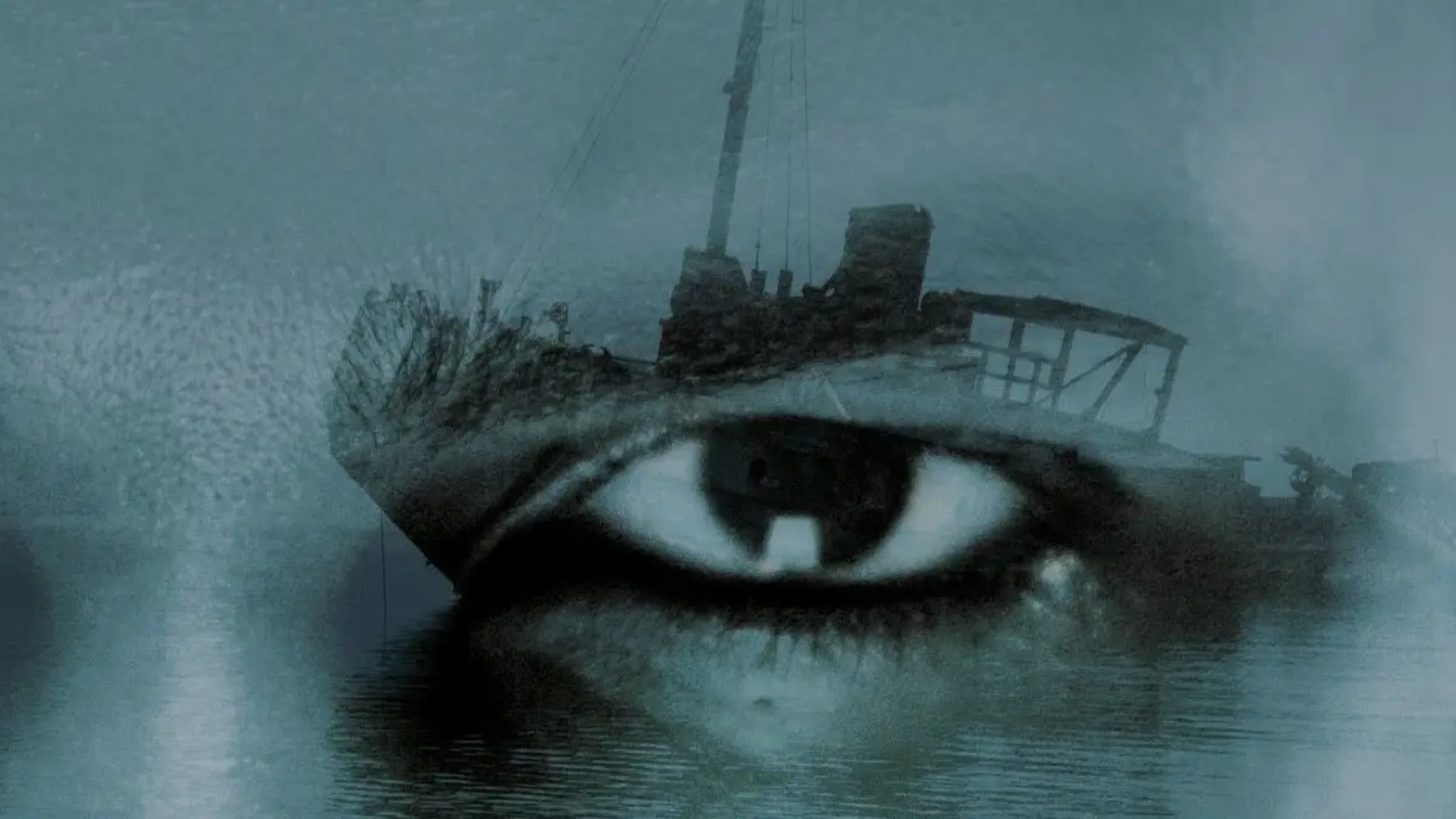
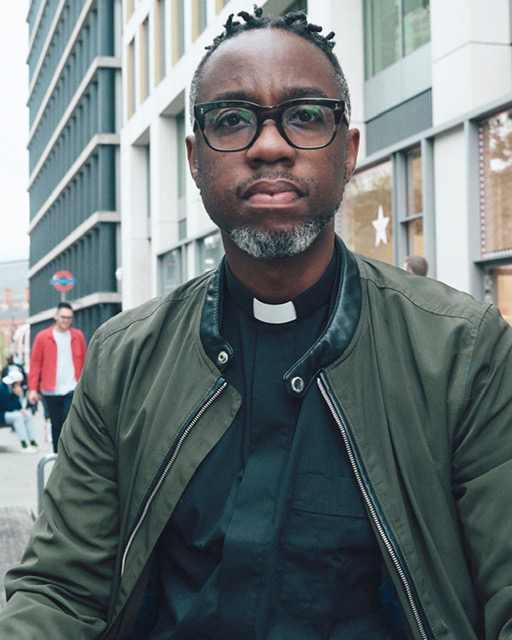
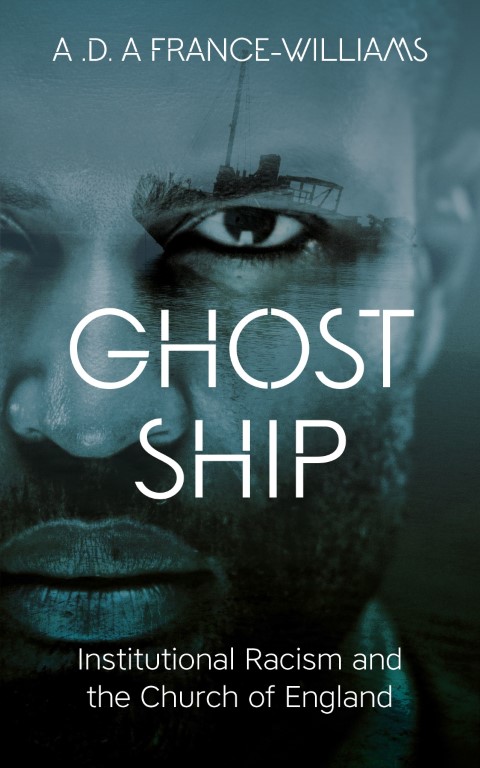
A blog post by Revd Azariah France-Williams.
There is a myth that black West Indians were invited by the U.K government after WW2 to help rebuild the shattered British landscape. In fact, the government was not willing to have members of the Islands come over. They sent emissaries to the Islands to in effect declare:
“England is not open for business, thank you for your interest, we do not need your help.”
The problem was Islands like Nevis had incredibly high literacy rate coupled with easy access to English newspapers. The classifieds were clear, England was bleeding and needed labour to staunch the flow of blood. So although the government did not want the black presence, the businesses did.
One of the travellers over that period was a nineteen year old girl from Nevis who boarded an Italian boat called the Lucania. The sea spray flecked her cheeks as she boarded British passport in hand in 1955. That young bright-eyed teenager was the woman who would become my mother. She came to bring her strength and her love as a full citizen, with full rights, bringing her full self. But it can be hard to bring your gift and feel like you are merely tolerated. She worked as a seamstress and would sit on the long bench in front of her sewing machine at Hepworths factory in Leeds. Her white colleagues had a game where they would all shuffle down the bench until she toppled off the edge of the bench. White supremacy can not accommodate anyone that is ‘other’ and will strive to reestablish a world where the ‘other’ is on the floor. Although she was treated badly, she determined to make others feel welcome driven by her faith and love.
There is a Peters and Lee song called ‘Welcome Home’ the lyrics are warm and melodic, causing one to sway and smile whatever mood you were in before listening. School was not easy for me for a range of reasons. Whenever I arrived home from school, I would spot the net curtains twitch and I would know what to expect. Upon entering the house the ‘Welcome Home’ song would be blaring out at top volume and my mother would take my hand and pull me into the hallway, and dance with me. After I got over the embarrassment I would sway along and join in with the singing. We would laugh, and settle into the rest of the afternoon.
Mum welcomed me in the place she received no welcome. U.K stood for UnKind.
To some extent my mother came to the U.K to find some purpose and identity. As a ten-year old, when the second world war had finished, she wanted to now be a part of the ongoing rebuilding enterprise. She was coming to the mother country for affirmation and validation. It was a big journey with companions along the way and the thought was always that she would head back to Nevis, head home after she had done her bit, seen the world, and saved up some money to cultivate her patch of land, return and settle down. Because we all know there’s no place like home.
In the movie the Wizard of Oz Dorothy and her ragtag crew of three friends and Toto seek him out to receive the gifts he is presumed to be able to offer. Dorothy’s dog Toto pulls back the curtain and then they met the wimp behind the wizard. He shuffles from behind a curtain and the game is up.
A biblical hero with his three friends on a journey is Daniel. The story here is that they survive their own tornado and are taken to the land of power and oppression. The sheer scale and magnitude cowed many of the stolen into capitulation to the new power. They had their names changed and the emperor, the Wizard demanded they saw the world he did.
He set up a huge statue to himself and demanded everyone gathered to worship, and bow down to this oppressive display of power, but Dorothy and her three friends, I mean Daniel and his companions, would not bow down seeing the fragility behind the projection of power.
‘There is no place like home.’ Daniel and his friends bring a sense of home with them. They connected to the God of their ancestors and even in a strange land they stood despite the risks. In my book Ghost Ship, I am attempting to stay standing, I am holding onto the edge of the bench, the Church of England has rejected her children from other lands. Well eventually Dorothy got back home, and Daniel’s descendants returned, but now identity was hybridised. Home would have to be reimagined all over again. My mother never made it home but made herself a home to so many.
God knows black lives matter, God is unambiguous about that love. When our doorbell rings and someone different to us turns up at our door, in our nation, at our church can we dust off the record player and play ‘Welcome Home,’ they may be tired, and one day it may be you needing to push the doorbell hoping to hear the music.
‘in as much as you did it to the least of these, you did it to me’
 Our study of theology means engaging with a Kingdom that is powerful and transformational.
We offer programmes in ‘Kingdom Theology’ because at the heart of our study is the belief that Jesus came proclaiming the good news of the Kingdom of God. Through his life, death, and resurrection, he has brought the reality of the Kingdom to this world.
Find out more about WTC Programmes HERE.


I recently received a letter from a woman explaining to me how she had been on a journey out of complementarianism, what that had meant for her, her relationship with God, the women around her, and her marriage.
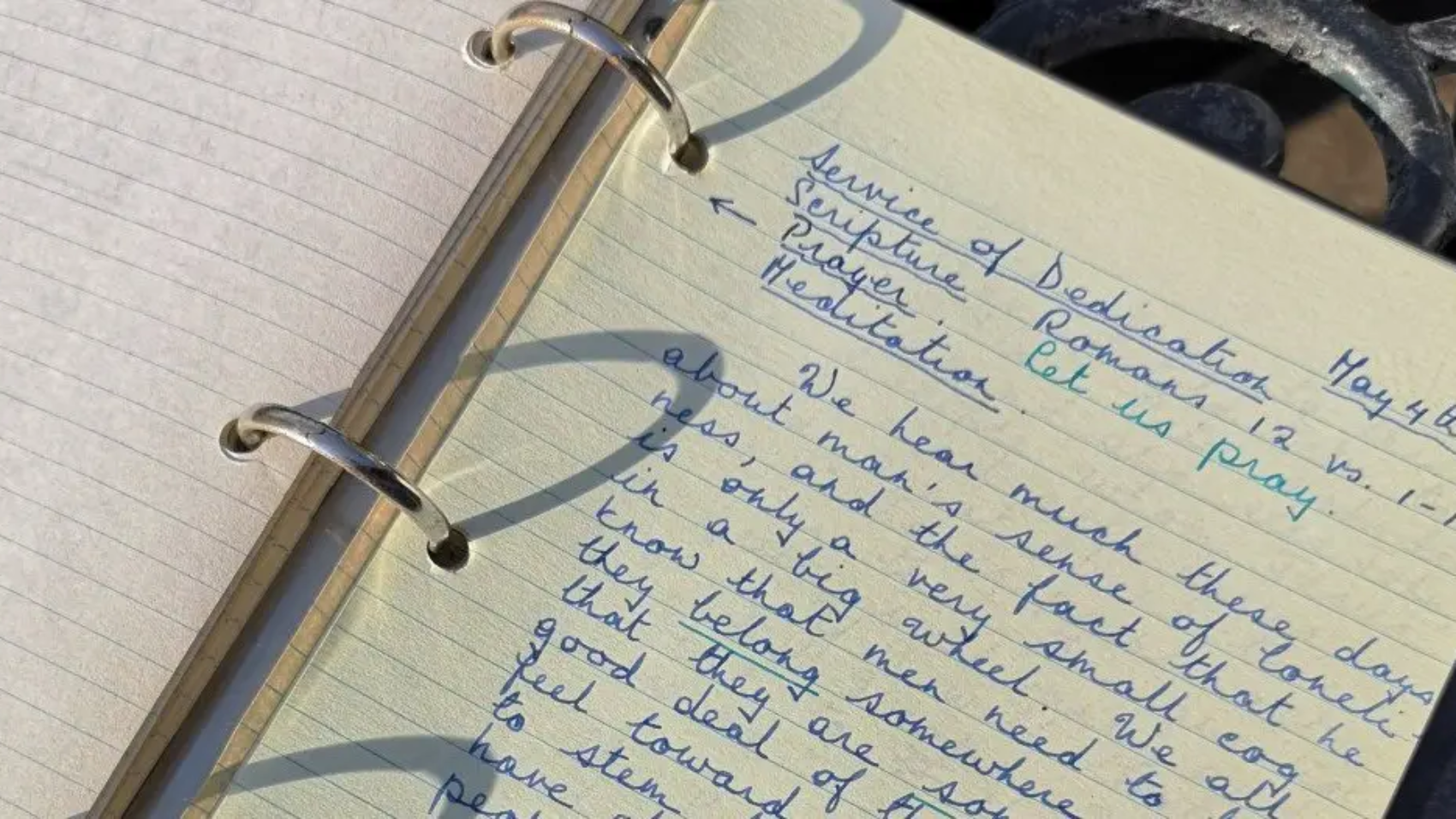
My mother was a prolific writer. We haven’t even begun to work through her journals and notebooks, but a few months ago I came across a little folder of theological reflections from her time at Smith College, where she studied literature and theology, and I tucked it away to bring home before putting it back for the others to read.