
A Time for Minor Chords (Part II):
Protest at the Divine Court
by Dr Matt Lynch
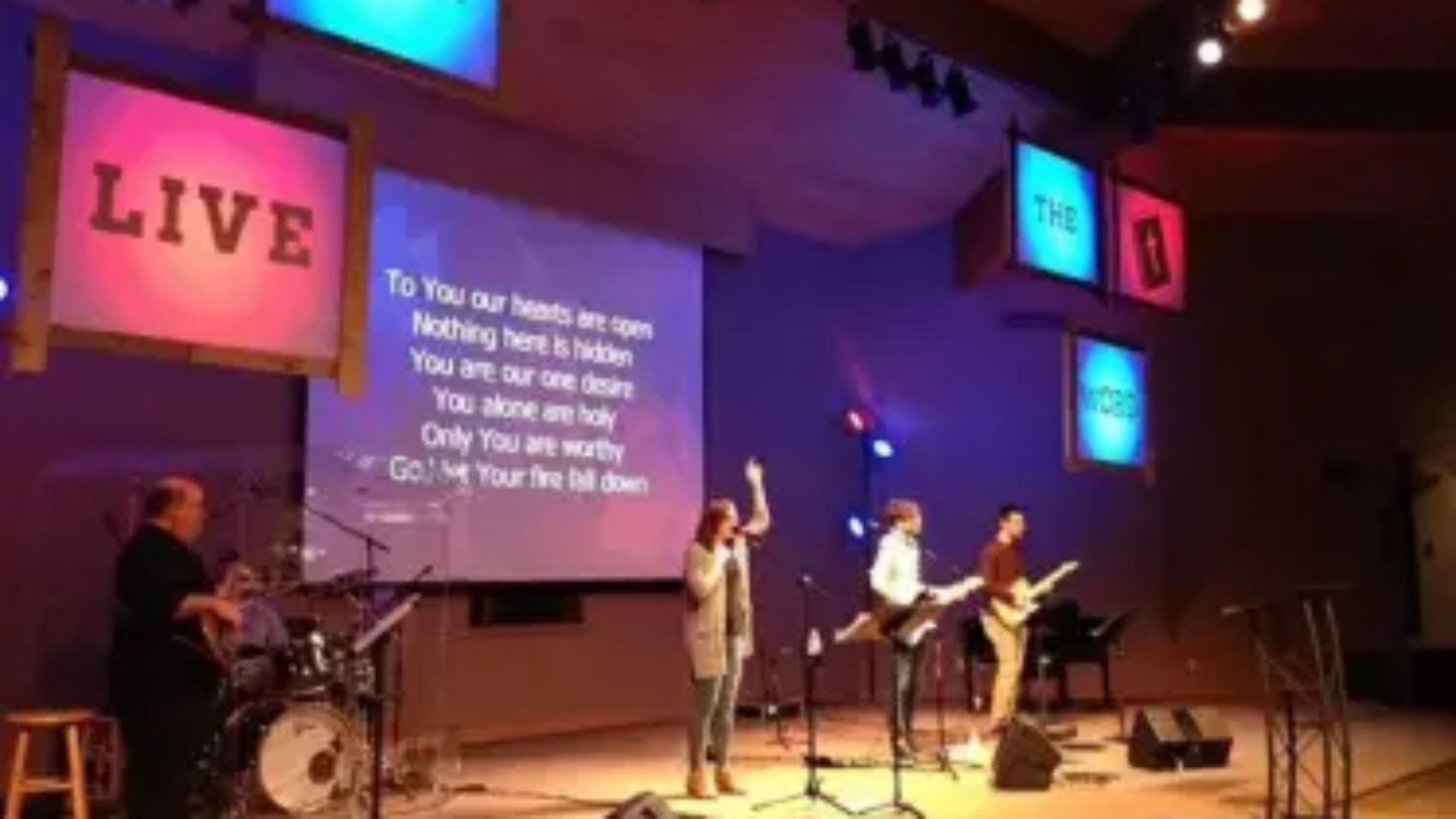
In my previous post I discussed the continued lack of lament in contemporary worship (of the ‘worship band’ variety). My point was that there’s been very little appreciable movement toward lament in the past decades among the major producers of the songs listed on the CCLI lists and the like. Because of that, the average small seeker-type church—which tends to draw heavily from the CCLI top 100—plays 99% praise, with the occasional (awkward) cry for help. I find this astonishing, especially given the tendency for said churches to read books like The Emotionally Healthy Church/Leader/Woman/Etc (http://www.emotionallyhealthy.org/).
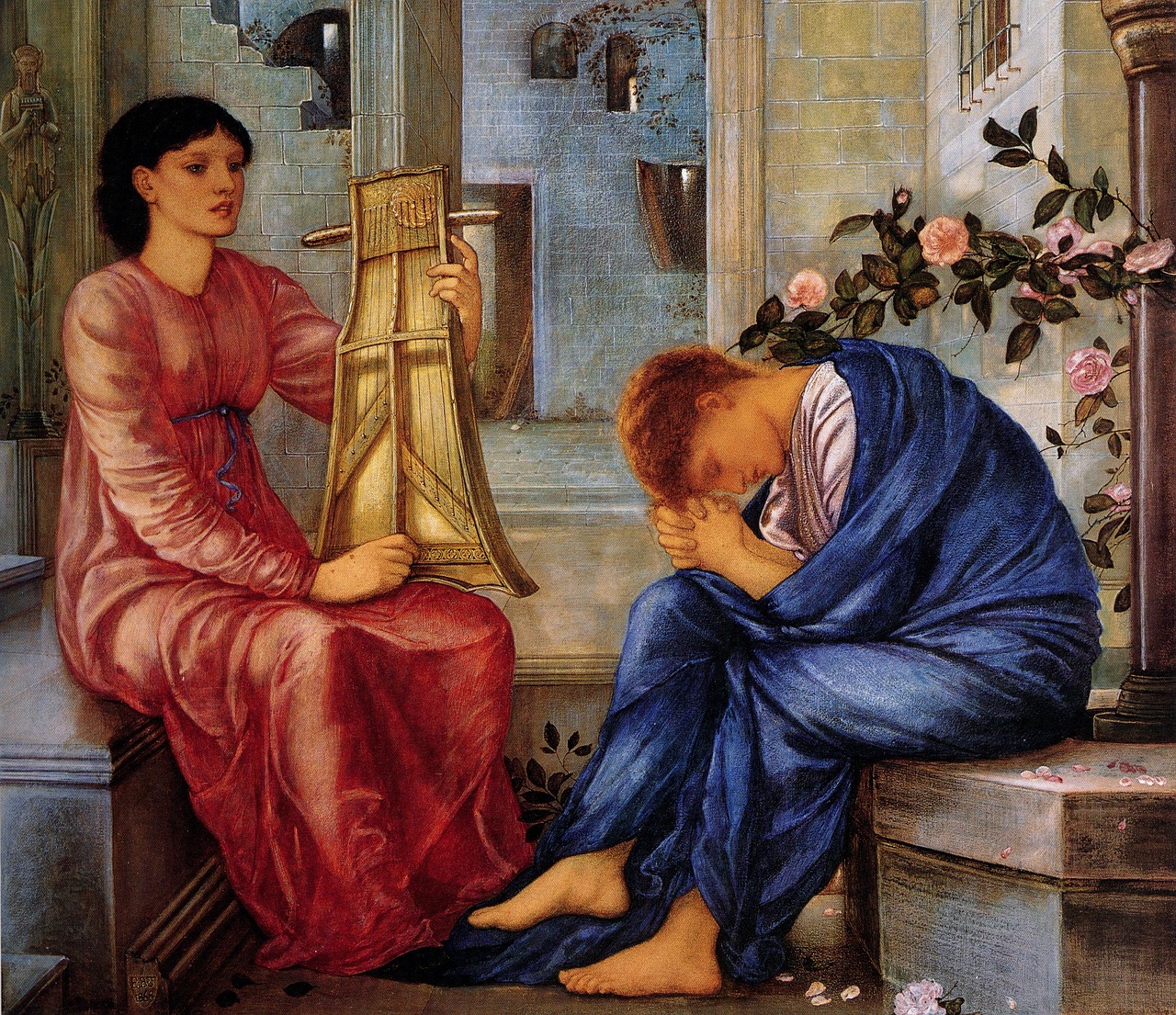 I don’t have enough perspective to evaluate the current level of discontent with the persistent optimism and cheerfulness of contemporary worship music. But if I were to sit down with the chief strategists for Contemporary Worship, Inc., I’d suggest that something in the order of Nirvana’s 1990 flannel and grunge revolution needs to take place in worship music, a clearing of air for the raw and abrasive songs of lament (and protest).[1]
I don’t like to idealise lament. Some studies I’ve seen urge lament on the grounds that it’s psychologically and emotionally healthy. This may be true, and it’s probably healthier than repression. But it must be admitted that time also heals wounds, if not all of them. So, not lamenting might leave lamenters and non-lamenters in an emotionally similar place, at least 10-20 years on. I don’t think selling lament (exclusively) on its personal benefits is what the church needs. The point is not self-expression or psychological benefit, as good as those might be.
Lament as Persuasion
The greatest benefit to our worshipping communities is a reclaiming of genuine relationship with God. For all our emphasis on ‘relationship’—and perhaps that word is past its sell-by date—worship often reflects a belief that ‘the chief end of man [sic]’ (glorifying God) is the ‘only end of man.’[2] Our worship often portrays a God who only permits praise, and will not allow objections. Brueggemann writes,
A community of faith which negates laments soon concludes that the hard issues of justice are improper questions to pose at the throne, because the throne seems to be only a place of praise.[3]
Treating the throne room as a place for praise alone ignores the fact that the divine palace is also a (supreme) court, a place where citizens of the kingdom press their case with confidence that the divine judge hears, listens, and responds.
A Rich Biblical Tradition of Protest
The biblical tradition is rife with examples of God’s people pressing their case, either against God or against societal injustice. God seems to invite his people into the courtroom for that very reason, from Genesis onward.
After choosing Abraham ‘to accomplish righteousness and justice,’ God unveils his plans to destroy Sodom and Gomorrah. This provokes Abraham’s protest:
Far be it from you to do such a thing — to kill the righteous with the wicked, treating the righteous and the wicked alike! Far be it from you! Will not the Judge of all the earth do right? (Gen. 18:25)
 This bold approach to the throne seems to be just what God expects—and wants. Through dialogue and debate, Abraham challenges God to ensure justice for the few potential victims of God’s judgement. Put another way, Abraham urges God to limit his severity, and he does so by protesting his actions. Though God does rain down sulphur on Sodom (and some suggest Abraham could have pushed God even further), God rescues Lot and his family and preserves another small town (19:20-21) that was otherwise due for destruction. God is still God, but Abraham’s protest effected some mercy.
Protest within the divine-human relationship is not unusual in the Old Testament. In fact, one of the purposes of prayer and yes, even worship, is to ask God to limit his severity. For reasons unavailable to us, God constructed the divine-human relationship so that our pleadings persuade God to set limits on his justified use of wrath. Put another way, God invites humans into the process of fostering and exercising divine mercy. Covenant partners are not only passive recipients of mercy, but active agents in its implementation.
The next major occasion where God’s servant protests God’s actions takes place right after the golden calf (Ex 33-34), when Israel breaks the first and second commandments and nullifies the covenant that God had just made with them. God was so angered that he proposed wiping out the nation to start anew with Moses.
But Moses intervened by appealing to God’s reputation:
Why should the Egyptians say, ‘It was with evil intent that he brought them out to kill them in the mountains …’ Turn from your fierce wrath; change your mind and do not bring disaster on your people! (Exod 32:12)
God did not reprimand Moses. Instead,
The LORD changed his mind about the disaster he planned to bring on his people (32:14).
And he did so on multiple occasions where Moses protests divine action and calls God to be just, or to turn from his wrath (e.g., Exod 33:12-16; Num 11:10-15; 12:13ff; 14:13; 16:46ff; 21:7ff).
The tradition of protest continues in the words and actions of prophets like Habakkuk (1:3-4) and Jeremiah (11:18-20; 12:1-6), the psalmist (e.g., Ps 10), and the non-Israelite Job.
In sum, in failing to lament, we fail to exercise our covenant responsibility to bring matters of justice and righteousness before the divine judge. We fail in our civic duty.
Opening the Torah Ark
Jewish novelist Chaim Potak discusses a tradition of lament during the Shabbat service:
There used to be a tradition, which may still be in existence in some Jewish communities, where if you had a complaint against God you stopped the service on Saturday. You went up to the ark, you opened the [Torah] ark, and you stood there shouting at God until the rabbi finally led you away.
Potak goes on,
You shout out of faith, not because you don’t have any faith. If you don’t have faith, you don’t have anyone to shout at.[4]
What if we saw our worship music as a means of leading people to the ark? Or the courtroom? There’s something enormously dignifying and freeing in telling people that their disputes and complaints will be heard in this court. They may feel themselves without power in the halls of human political power,[5] but not in the divine court.
Let us find the chords to bring them there, and let us enter His court with protests.
See here for Part 3.


Student Loans
WTC is now a Student Loans Company provider, which means many of our students can now apply for student finance for our validated programmes. If finances have been a barrier, this could be the news you’ve been waiting for.
Nick Crawley – Bible for Life
Kenny chats with Rev Nick Crawley about engaging with the Bible in meaningful ways and how this grounds our discipleship.

Jack Johnson – Prayer
Jack and Kenny go on an exploration of prayer and how our understanding of the nature, attributes, and character of God, gives ground to our efforts in prayer.

Matthew Lynch – Flood and Fury
Matt and Kenny discussed passages in the Old Testament like the flood and the conquest of Canaan, that on the surface contain moments of troubling violence. But Matt contends that a closer and slower reading of passages like these can actually reveal a critique of violence and show us more of the goodness and mercy of God. We hope this episode will help bring some clarity to some of the difficult questions raised when we read the Old Testament, particularly in light of the God we see revealed in Jesus Christ.

Matthew Bates – Why the Gospel?
This conversation revolves around Matthew’s latest book Why the Gospel? Matthew has contended that the “good news” of the gospel is the proclamation that Jesus is King, but why is this message necessary and what difference can it make in our lives?