
Guest:
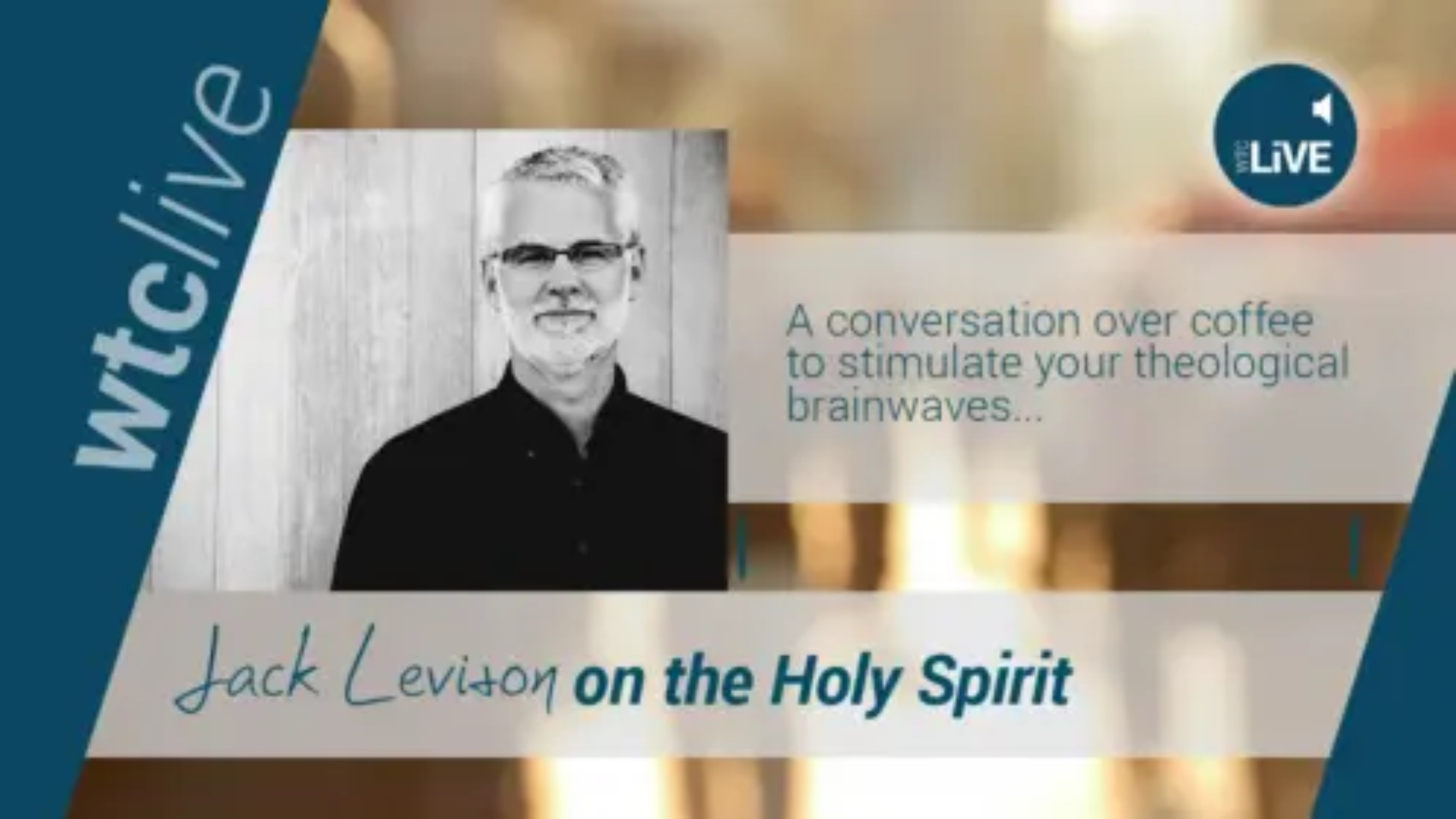
 Jack Levison
Southern Methodist University
Jack holds the W. J. A. Power Chair of Old Testament Interpretation and Biblical Hebrew at Perkins School of Theology, Southern Methodist University. Raised in a small tract house in Levittown, New York, Jack left to attend Wheaton College, where his Greek professor regaled him with stories of Cambridge University. At Christ’s College, Cambridge, Jack received the Fitzpatrick Prize for theology and was awarded a College Scholarship. When he returned from England to pursue doctoral studies at Duke University, Jack fell in love with a divinity student, Priscilla Pope, alongside of whom he now works at SMU.
Jack is an internationally recognized scholar, whose books have received wide acclaim. Scot McKnight, author of The Jesus Creed, characterized Filled with the Spirit as “the benchmark and starting point for all future studies of the Spirit.” Walter Brueggemann hailed it as “inspired.” Eugene Peterson called Fresh Air: the Holy Spirit for an Inspired Life “a rare and remarkable achievement.” Phyllis Tickle calls him “a brilliant and spirited theologian,” and N. T. Wright notes that Jack’s “account of the holy spirit–and what the spirit can do for whole churches, not just individuals!–is mature, seasoned, challenging, and wise.”
Jack has received many fellowships and grants from the National Humanities Center, the Lilly Fellows Program, the Louisville Institute, the Alexander von Humboldt Foundation, the Rotary Foundation, the International Catacomb Society, and the National Endowment for the Humanities. He recently directed, with Jörg Frey, an interdisciplinary, international research project on The Historical Roots of the Holy Spirit and is founding editor of a scholarly book series, Ekstasis: Religious Experience from Antiquity to the Middle Ages.
Jack’s books and teaching have a global reach. He has lectured around the States, as well as in Belgium, Canada, England, Germany, and Scotland. He has been an Honorary Visiting Lecturer at the University of St. Andrews, Scotland, and a Von Humboldt Fellow at Ludwig Maximilians Universität in Munich, Germany. Several of his books have been translated into Spanish, Korean, and German.





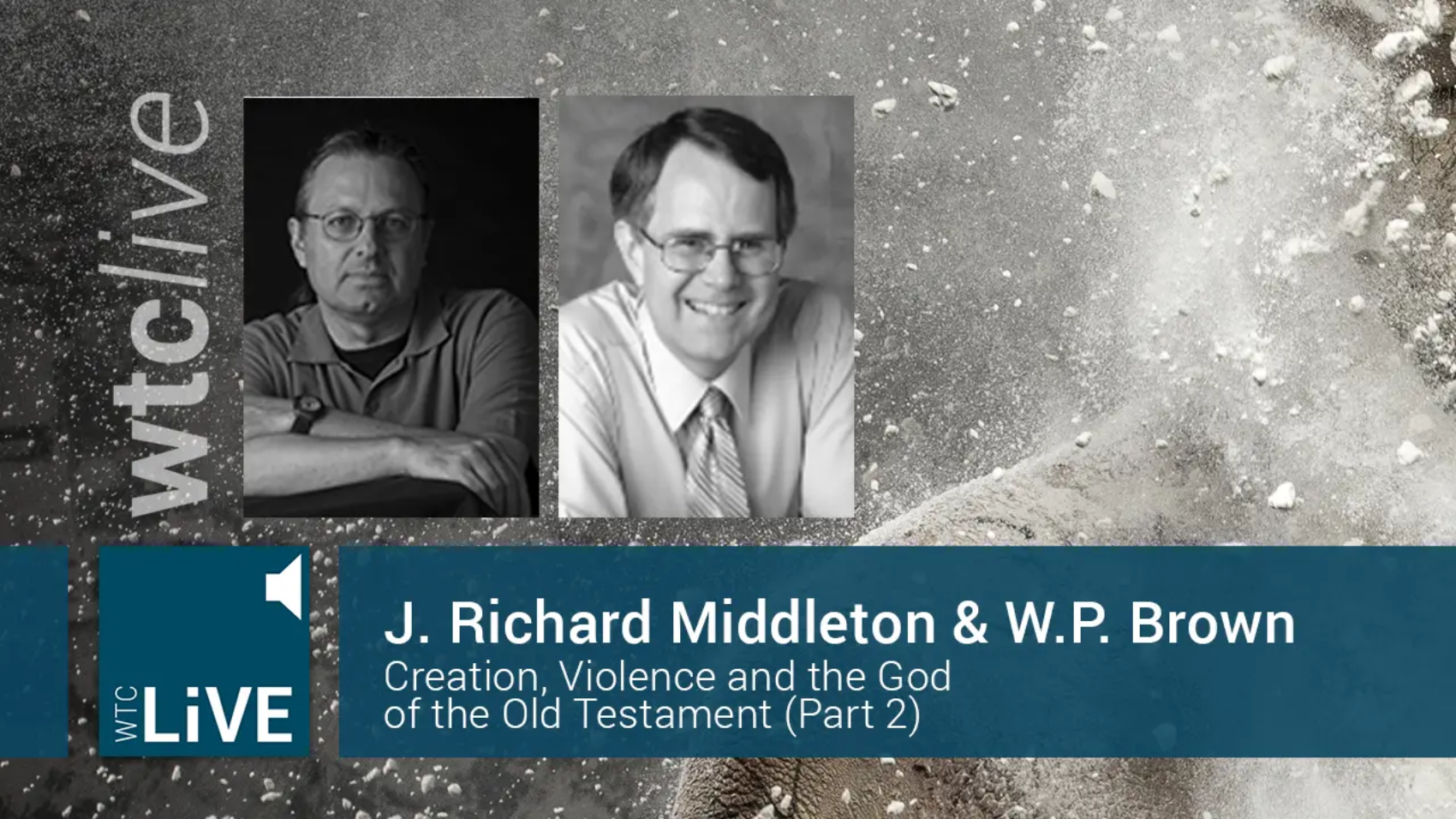
 Richard earned a Ph.D. from the Vrije Universiteit, Amsterdam, in a joint-degree program with the Institute of Christian Studies, Toronto. His other degrees include: M.A. in Philosophy, University of Guelph (Canada), 1985, and B.Th., Jamaica Theological Seminary, 1977. Dr. Middleton has done additional graduate studies in the Old Testament at Colgate Rochester Divinity School (1986-1988), and in religious studies and philosophy at Syracuse University (1984-1985).
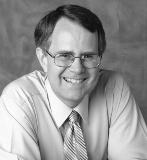 William earned his Ph.D. at Emory University, his MDiv from Princeton Theological Seminary, and his BA from Whitman College. He has abiding interests in the use of scripture in the life of the church and the world, particularly in the context of ecology and justice. Specific interests include creation theology, faith and science dialogue, the Psalms, and wisdom literature (Proverbs, Job, and Ecclesiastes). Recent books include The Seven Pillars of Creation: Bible, Science, and the Ecology of Wonder (Oxford University) and Wisdom’s Wonder (Wm. B. Eerdmans). Recently, he helped Columbia Seminary earn one of 10 grants totalling $1.5 million awarded by the American Association for the Advancement of Science to integrate science into the seminary’s curriculum.
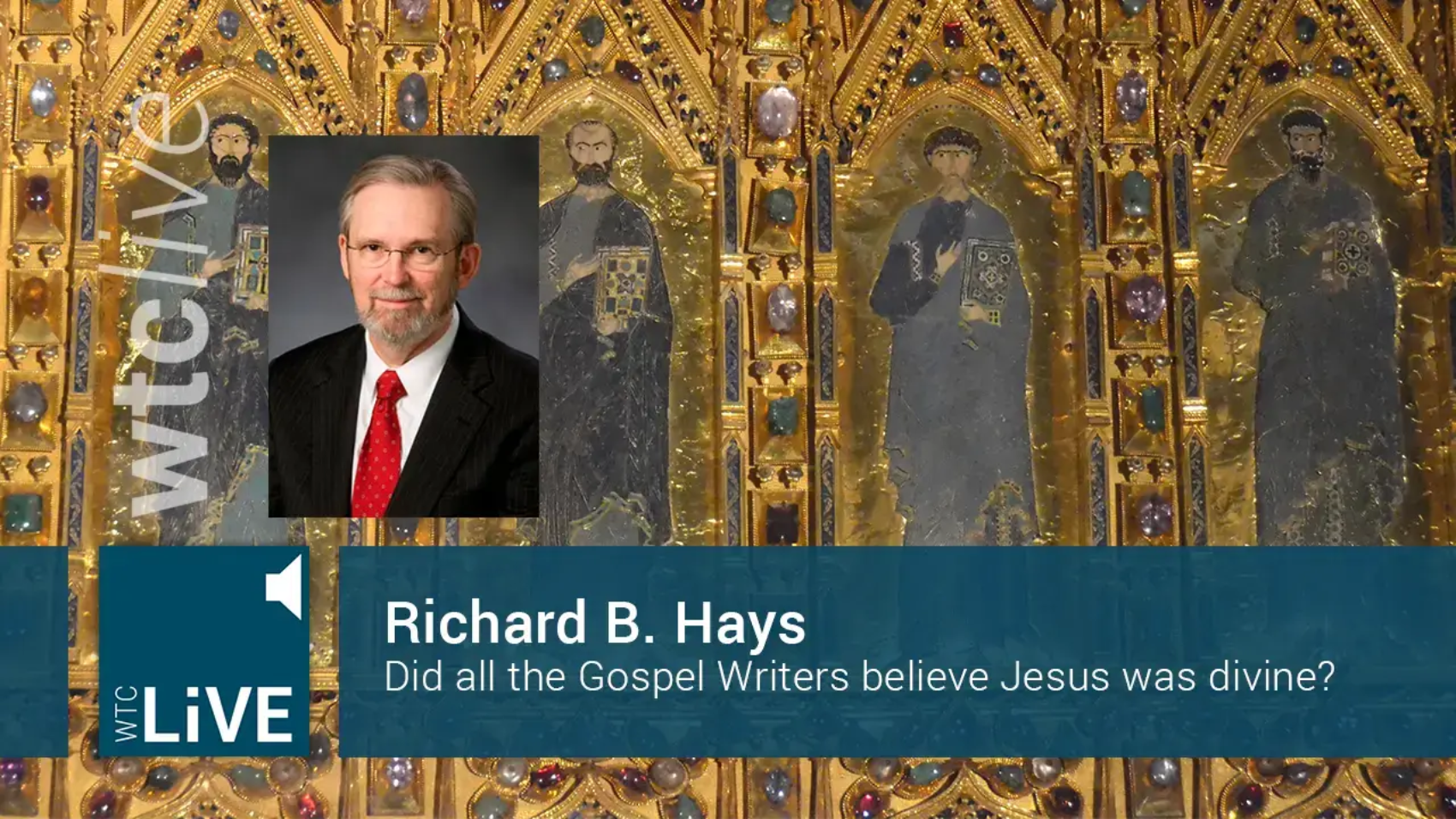
 Richard is Dean and the George Washington Ivey Professor of New Testament at Duke Divinity School and is internationally recognized for his work on the letters of Paul and on New Testament ethics. His scholarly work has bridged the disciplines of biblical criticism and literary studies, exploring the innovative ways in which early Christian writers interpreted Israel’s Scripture.