The most prominent verses cited as evidence are Jesus’ ‘you have heard it said … but I tell you’ statements, especially His statements about enemies.









The most prominent verses cited as evidence are Jesus’ ‘you have heard it said … but I tell you’ statements, especially His statements about enemies.
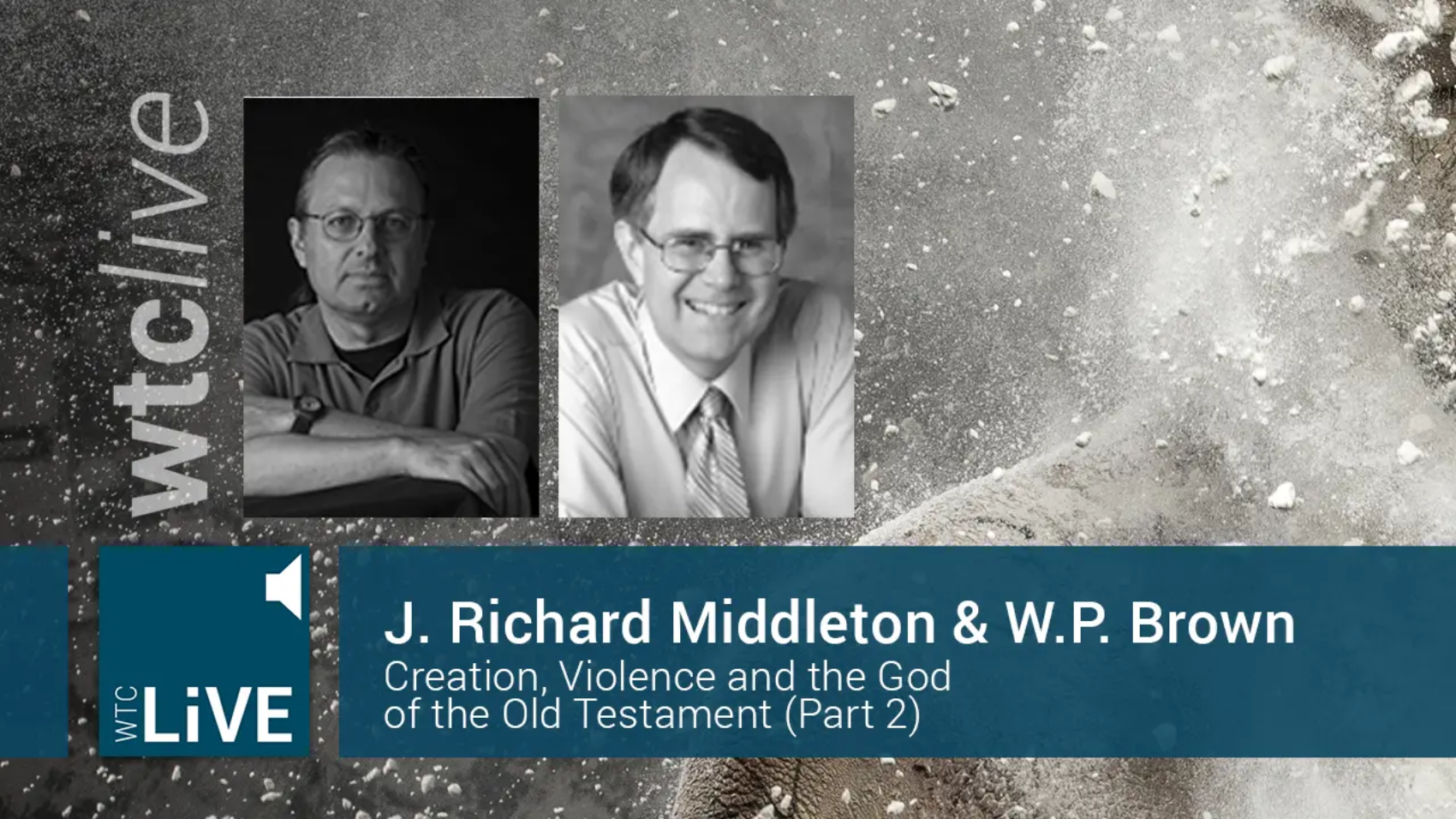
With: Richard Middleton and William Brown.
In this WTCLive episode, Matt continues the discussion on the subject of creation, violence and God with two of his favourite Old Testament scholars. Creation and the question of violence occupy an important place in the work of these Old Testament gurus. Plus, they’ve both just come out with some fantastic new books that you’ll want to read to help you navigate these topics and to open up new worlds. Middleton’s book is A New Heaven and A New Earth: Reclaiming Biblical Eschatology (Baker 2014) and Brown’s is Wisdom’s Wonder: Character, Creation, and Crisis in the Bible’s Wisdom Literature (Eerdmans, 2014).
This is the second in our series on ‘Creation, Violence and God of the Old Testament’ (see part one here.)
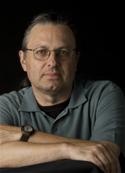 Richard earned a Ph.D. from the Vrije Universiteit, Amsterdam, in a joint-degree program with the Institute of Christian Studies, Toronto. His other degrees include: M.A. in Philosophy, University of Guelph (Canada), 1985, and B.Th., Jamaica Theological Seminary, 1977. Dr. Middleton has done additional graduate studies in the Old Testament at Colgate Rochester Divinity School (1986-1988), and in religious studies and philosophy at Syracuse University (1984-1985).
He is widely published in religious periodicals and journals, as well as the author of four books. His most recent books are The Liberating Image: The Imago Dei in Genesis 1 (Brazos) and A New Heaven and a New Earth: Reclaiming Biblical Eschatology (Baker Academic). He has edited a volume of essays on Caribbean Theology for Pickwick Publications, and is working on a manuscript for Abingdon Press on the dynamics of human and divine agency in the books of 1 and 2 Samuel. Special areas of interest are Old Testament theology, the Christian worldview, the books of Genesis and Samuel, the doctrine of Creation, and Christianity and postmodern culture. He also serves as an adjunct professor of Old Testament at the Caribbean Graduate School of Theology in Kingston, Jamaica, and is the president of the Canadian Evangelical Theological Association.
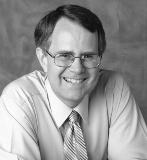 William earned his Ph.D. at Emory University, his MDiv from Princeton Theological Seminary, and his BA from Whitman College. He has abiding interests in the use of scripture in the life of the church and the world, particularly in the context of ecology and justice. Specific interests include creation theology, faith and science dialogue, the Psalms, and wisdom literature (Proverbs, Job, and Ecclesiastes). Recent books include The Seven Pillars of Creation: Bible, Science, and the Ecology of Wonder (Oxford University) and Wisdom’s Wonder (Wm. B. Eerdmans). Recently, he helped Columbia Seminary earn one of 10 grants totalling $1.5 million awarded by the American Association for the Advancement of Science to integrate science into the seminary’s curriculum.

A while ago one of our students, Andy Hudson, submitted an essay on the value of friendship in the Christian life with specific reference to male friendships. Here he highlights the need for openness, honesty, love, and burden-bearing.

We often get asked in the WTC Theology classroom about the practice of using feminine pronouns and female imagery for God. Why do some people think it’s okay to use ‘she’ and ‘her’ for God when the Bible uses only masculine terms?
A while ago one of our students, Andy Hudson, submitted an essay on the value of friendship in the Christian life with specific reference to male friendships. Here he highlights the need for openness, honesty, love, and burden-bearing.
We often get asked in the WTC Theology classroom about the practice of using feminine pronouns and female imagery for God. Why do some people think it’s okay to use ‘she’ and ‘her’ for God when the Bible uses only masculine terms?
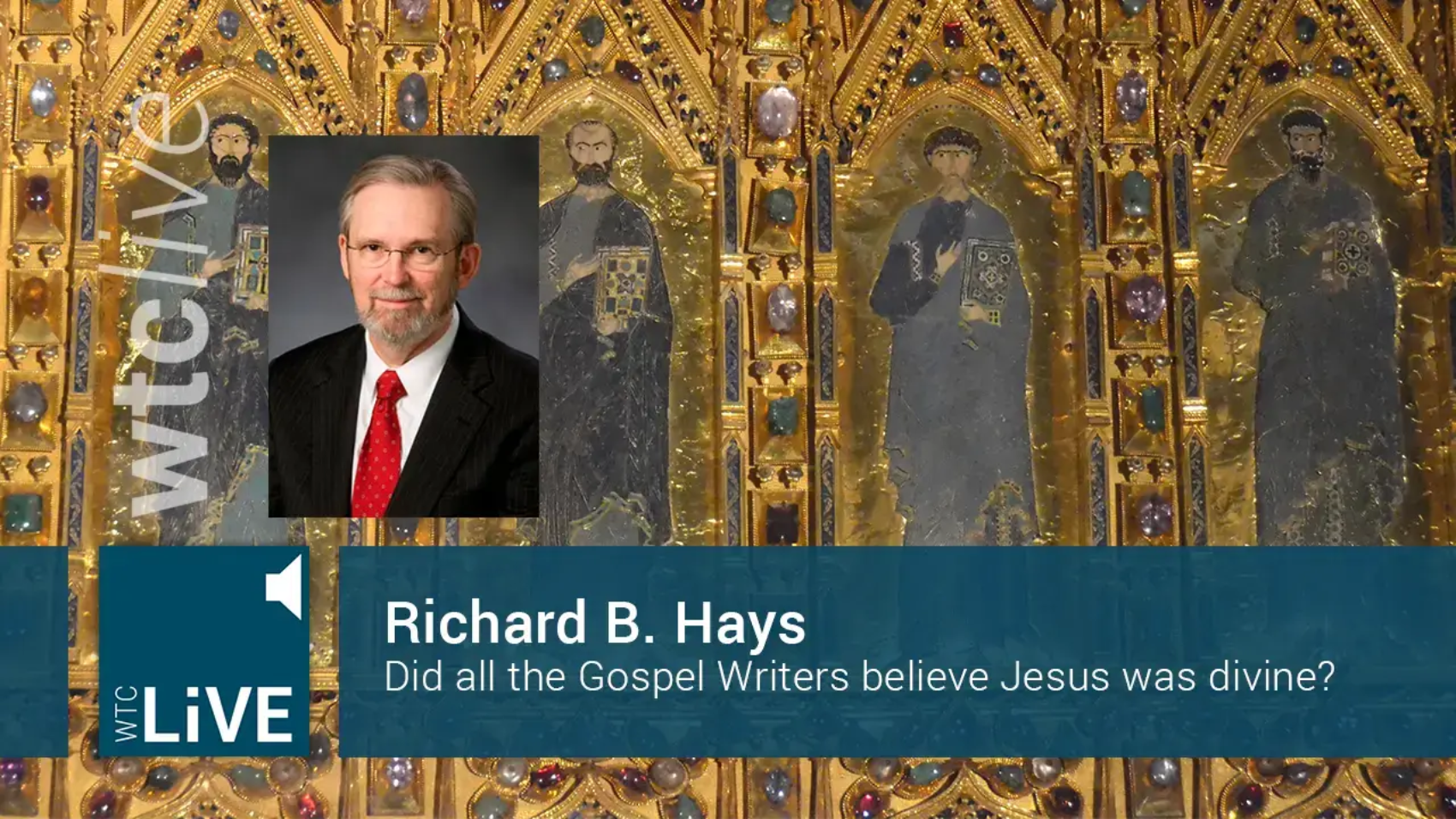
With: Richard Hays, Duke Divinity School
Did all the Gospel writers believe that Jesus is divine? What do we gain by viewing the Gospels’ portraits of Jesus against the backdrop of the Old Testament? Join Richard Hays as he discusses these questions on Jesus divinity in the Gospels and his groundbreaking book Reading Backwards: Figural Christology and the Fourfold Gospel Witness (Baylor, 2014).
Twenty-five years ago Richard Hays launched a quiet but highly effective revolution on how Paul read Israel’s scripture. Now he turns his attention to the four gospels …. Hays opens new and striking vistas on texts we thought we knew—and, particularly, on the early church’s remarkable belief in Jesus as the embodiment of Israel’s God – N. T. Wright on Hays’ Reading Backwards.
 Richard is Dean and the George Washington Ivey Professor of New Testament at Duke Divinity School and is internationally recognized for his work on the letters of Paul and on New Testament ethics. His scholarly work has bridged the disciplines of biblical criticism and literary studies, exploring the innovative ways in which early Christian writers interpreted Israel’s Scripture.
His book The Moral Vision of the New Testament: Community, Cross, New Creation was selected by Christianity Today as one of the 100 most important religious books of the twentieth century. His most recent books are The Art of Reading Scripture (2003, co-edited with Ellen Davis), The Conversion of the Imagination (2005), Seeking the Identity of Jesus: A Pilgrimage (2008, co-edited with Beverly Roberts Gaventa), and Revelation and the Politics of Apocalyptic Interpretation (2012, co-edited with Stefan Alkier).
He has lectured widely in North America, Europe, Israel, Australia, New Zealand, and Hong Kong. An ordained United Methodist minister, he has preached in settings ranging from rural Oklahoma churches to London’s Westminster Abbey. Professor Hays has chaired the Pauline Epistles Section of the Society of Biblical Literature, as well as the Seminar on New Testament Ethics in the Society for New Testament Studies, and has served on the editorial boards of several leading scholarly journals. Professor Hays received an honorary doctorate (Dr. theol. honoris causa) from the Johann Wolfgang Goethe University in Frankfurt, Germany, in 2009.
A while ago one of our students, Andy Hudson, submitted an essay on the value of friendship in the Christian life with specific reference to male friendships. Here he highlights the need for openness, honesty, love, and burden-bearing.
We often get asked in the WTC Theology classroom about the practice of using feminine pronouns and female imagery for God. Why do some people think it’s okay to use ‘she’ and ‘her’ for God when the Bible uses only masculine terms?

A while ago one of our students, Andy Hudson, submitted an essay on the value of friendship in the Christian life with specific reference to male friendships. Here he highlights the need for openness, honesty, love, and burden-bearing.
We often get asked in the WTC Theology classroom about the practice of using feminine pronouns and female imagery for God. Why do some people think it’s okay to use ‘she’ and ‘her’ for God when the Bible uses only masculine terms?
A while ago one of our students, Andy Hudson, submitted an essay on the value of friendship in the Christian life with specific reference to male friendships. Here he highlights the need for openness, honesty, love, and burden-bearing.
We often get asked in the WTC Theology classroom about the practice of using feminine pronouns and female imagery for God. Why do some people think it’s okay to use ‘she’ and ‘her’ for God when the Bible uses only masculine terms?
A while ago one of our students, Andy Hudson, submitted an essay on the value of friendship in the Christian life with specific reference to male friendships. Here he highlights the need for openness, honesty, love, and burden-bearing.
We often get asked in the WTC Theology classroom about the practice of using feminine pronouns and female imagery for God. Why do some people think it’s okay to use ‘she’ and ‘her’ for God when the Bible uses only masculine terms?
A while ago one of our students, Andy Hudson, submitted an essay on the value of friendship in the Christian life with specific reference to male friendships. Here he highlights the need for openness, honesty, love, and burden-bearing.
We often get asked in the WTC Theology classroom about the practice of using feminine pronouns and female imagery for God. Why do some people think it’s okay to use ‘she’ and ‘her’ for God when the Bible uses only masculine terms?
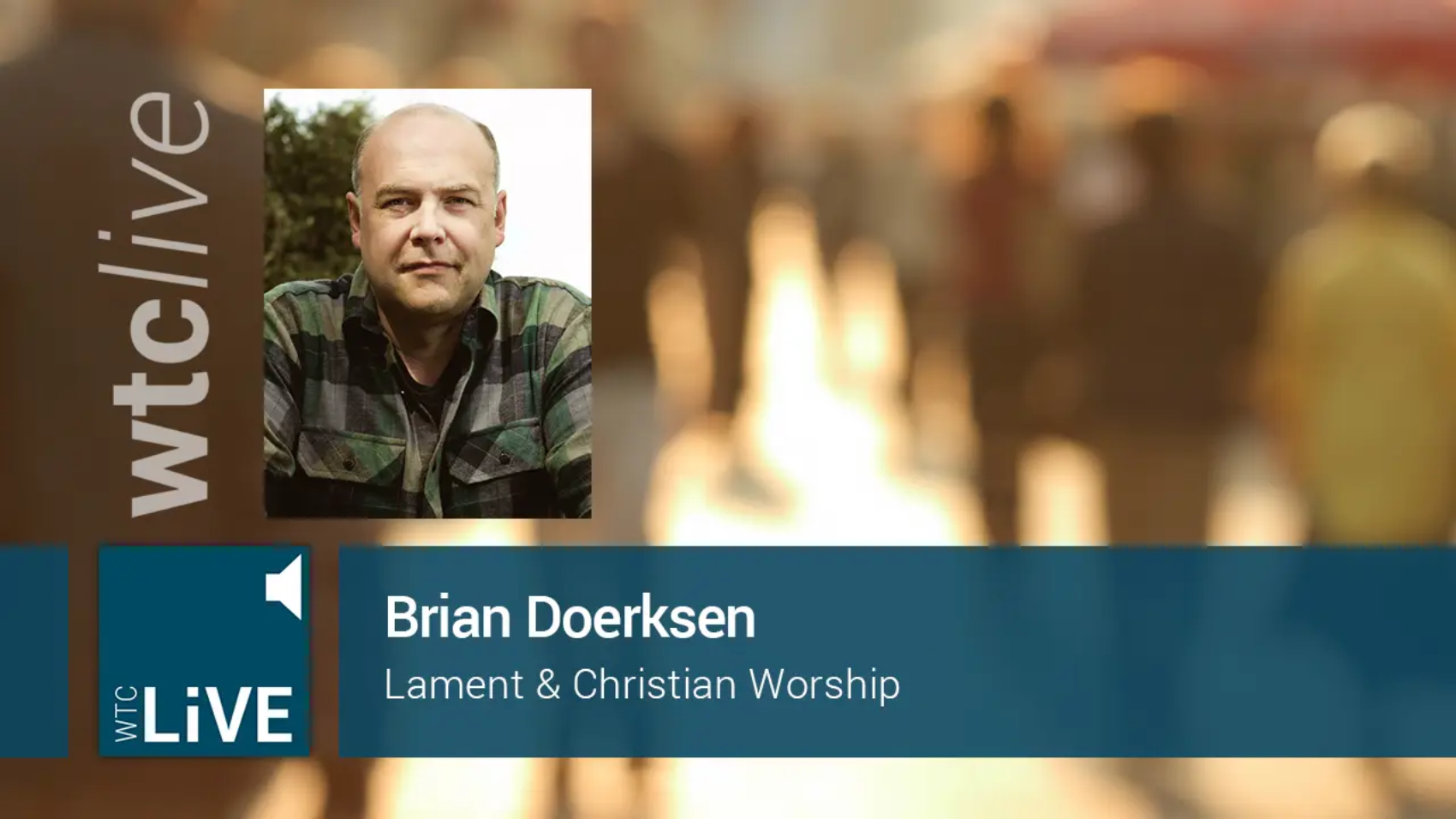
With: Brian Doerksen and Michael Gungor.
Recently, musician Michael Gungor Tweeted this: “Approximately 70% of the Psalms are laments. Approximately 0% of the top 150 CCLI songs (songs most sung in churches) are laments.” In this WTCLive event we reflect with singer songwriter and worship leader Brian Doerksen on lament and Christian worship. Why has lament fallen out of favour? What do we lose when we lose lament? We will consider these questions and yours during this live-streaming event.
 Brian is a songwriter, recording artist, conference speaker and pastor. His songs known around the world in churches of all kinds include ‘Come, now is the time to worship’, ‘Hope of the nations’, ‘Faithful One’, ‘Refiner’s Fire’, ‘Hallelujah (Your love is amazing)’, ‘Holy God’ & ‘The river’.
He has also completed a double album recording a musical (an 8 year writing process!) with Chrispher Greco (a playwright based in Boston) based on Luke 15 called ‘Prodigal God’. The musical take of two sons and one wastefully extravagant father.’ It’s the story of the prodical son and his father seen through the eyes of the elder brother. The musical features 23 new songs written or co-written by Brian.
Brian continues to make his church home at ‘The Bridge’ in Matsqui village in Abbotsford, which he helped plant in the spring of 2006. In September, Brian will begin directing a new ‘Music & Worship Arts’ programme at Prairie College in Alberta, Canada. He has also formed a new band called ‘The SHIYR Poets’ (pronounced ‘sheer’) with whom he is creating new settings for the ancient psalms (including laments!) and songs from the Dead Sea Scrolls.
 Michael is lead singer-songwriter for the alt-folk collective Gungor. Imagine if a cello and a banjo had a baby, and then someone put a pedalboard and synthesizer in its crib. This is one way Gungor (rhymes with hunger) describes its musical sensibilities: alternative, folk, textured and experimental. The alt-folk collective- fronted by husband/wife team Michael and Lisa- is now on a 60+ city headlining tour that travels across theaters and arenas in the US, New Zealand, Australia, Canada and Europe. Gungor’s music has received several Grammy nominations, and their recent albums include Beautiful Things (2010), Ghosts Upon the Earth (2011), and I Am Mountain (2013).
See also this inspiring TheoMisc Blog series on Lament by Matt Lynch.
A while ago one of our students, Andy Hudson, submitted an essay on the value of friendship in the Christian life with specific reference to male friendships. Here he highlights the need for openness, honesty, love, and burden-bearing.
We often get asked in the WTC Theology classroom about the practice of using feminine pronouns and female imagery for God. Why do some people think it’s okay to use ‘she’ and ‘her’ for God when the Bible uses only masculine terms?
A while ago one of our students, Andy Hudson, submitted an essay on the value of friendship in the Christian life with specific reference to male friendships. Here he highlights the need for openness, honesty, love, and burden-bearing.
We often get asked in the WTC Theology classroom about the practice of using feminine pronouns and female imagery for God. Why do some people think it’s okay to use ‘she’ and ‘her’ for God when the Bible uses only masculine terms?